Free printable checklist
What to Look For When Buying a Used Toyota HiAce
What to check on a used HiAce van or Commuter, what a problem looks like, and when to walk away.
Covers
- H200 2005–2019
- H300 2019 on
Or get a checklist built for the exact HiAce you're looking at:


Last updated
Common Problems on a Used Toyota HiAce
The most commonly reported problems on a used Toyota HiAce are a blocked exhaust filter (DPF) on diesel versions, worn suspension parts, exhaust fumes getting into the cabin, and worn sliding-door runners. Most have worked hard as courier, trade or shuttle vans, so how it was used matters as much as the kilometres.
Which of these apply depends on the year and engine. Shufti works that out for a particular car from its listing.
Blocked Exhaust Filter (DPF)
Diesel HiAces have an exhaust filter (DPF) that traps soot and burns it off on longer drives. Vans that do short, stop-start delivery runs rarely get hot enough, so the filter blocks up and the engine loses power.
On the test drive, watch for a DPF or engine warning light, poor pulling power or black smoke, and ask how often the filter light has come on. Check the oil level isn't above the top mark, a sign of extra fuel from repeated clean-out attempts.
A forced clean-out is a modest job; a new filter is a big bill. Ask for receipts for any DPF work, and have a diesel mechanic check it if the light is on.
Worn Suspension Parts
The rubber bushes and joints that locate the wheels wear with age and rough roads, and owners of HiAces report knocks, clunks and vague steering as they go.
On the test drive, drive over speed bumps and rough roads with the radio off and listen for knocks or clunks from the front. Feel for the steering wandering or clunking as you turn the wheel at low speed. Uneven wear on the inside edges of the front tyres is another sign.
Worn bushes and joints aren't expensive one at a time, but a full set adds up, and the wheel alignment needs redoing afterwards. Get a quote and price it into your offer.
Exhaust Fumes in the Cabin
Owners report exhaust or fuel smells inside the van, from cracked exhaust pipes or leaking seals near the engine, which sits close to the cabin. Exhaust fumes in the cabin are a health risk.
With the engine running and windows up, sit inside for a few minutes and sniff for exhaust or diesel. On the test drive, check again with the air on recirculate and fresh air. Look under the van for black soot marks on the exhaust pipes.
Most fixes are a pipe or seal, but don't drive a van with fumes in the cabin. Have a mechanic find the leak and price it before you buy.
Worn Sliding-Door Runners
A working van's sliding door opens and closes many times a day, and the rollers and runners it slides on wear, so the door drops, sticks or rattles.
Open and close the sliding door several times. It should run smoothly, latch first time and sit flush with the body, with no grinding or dropping at the back. Look along the rails for wear and rust.
Rollers aren't expensive, but a worn rail or door can be. Price any repair into your offer.
Which Toyota HiAce Years to Avoid?
No Toyota HiAce year is one to avoid outright. Which problems a particular car has depends on its generation, its engine and how it was used, so judge the one in front of you rather than the year alone, starting with its recalls and reported faults (Shufti looks these up from the listing).
- H200 (2005–2019). Most have done enough kilometres for wear items to come due: check the service history for regular servicing, and whether tyres, brakes and the battery need replacing.
- H300 (2019 on). The current model. The newest may still have some new-car warranty left; on older ones, check the service history and whether tyres, brakes and the battery are due.
Which recalls and reported faults apply depends on the exact year and engine. Shufti works them out for the HiAce you're looking at, from its listing.
Toyota HiAce Inspection Checklist
Tick it if it's fine. Cross it if it isn't, and note what you found so you can price it into your offer.
- Safety critical
- Affects how safely it drives or protects you in a crash. Best to have a mechanic check it before you buy.
- Negotiate
- Costs money to fix, from wear to major repairs. Get a quote and take it off the price.
00
Before You Go
01
Exterior
02
Under the Bonnet
03
Underbody and Wheels
04
Interior and Electrics
05
Test Drive
06
Documentation
Stay Safe
Never go under a car held up only by a jack, and never open the radiator or coolant cap on a hot engine. Keep hands, hair and loose clothing clear of fans and belts when the engine is running, and do checks under the bonnet with it switched off where you can. On the test drive, hold a current licence, confirm the car is registered and insured, obey road rules, and only brake hard when the road behind is clear. Meet in a safe, public-facing place, take someone with you, and don't carry large amounts of cash to a viewing.
Take this checklist to the viewing.
Download the free PDFOr let Shufti tailor it to the car from the listing link, with PPSR and recall checks included.
Disclaimer. Shufti is not affiliated with or endorsed by Toyota; Toyota and HiAce are trademarks of Toyota Motor Corporation. Figures are counts from Shufti's analysis of official records and published reports, not a statement that any particular vehicle is affected. This checklist is general information only and is not professional, mechanical, legal or financial advice. It covers common checks, not every possible fault, and a car can pass every item here and still have problems. It is not a substitute for a pre-purchase inspection by a qualified mechanic, which is worth considering before you buy, especially if anything tagged Safety critical turns up. Repair costs vary widely; get your own quotes. Roadworthy, registration and transfer rules differ by state, so check with your state road authority. Private sales generally don't come with the consumer guarantees that apply when you buy from a dealer. You use this checklist at your own risk and, to the extent permitted by law, Shufti accepts no liability for any loss, damage or injury arising from its use.
What This Guide Can't Tell You About the HiAce You're Looking At
8+
recalls on HiAces built since 2005
13
common faults reported on HiAces built since 2005
Money owing, stolen or a write-off?
A tidy car can hide all three.
What's each fault worth?
Shufti's negotiation coach turns it into leverage.
A Shufti inspection covers all of that, plus:
- Guided checks for the exact car you're inspecting
- PPSR and government recall checks included
- Crosschecks 3M+ recalls and owner complaints
- Spots issues from your photos and audio
- Test drive routes with turn-by-turn navigation
- Negotiation coach with repair cost estimates
Get Shufti on your mobile.
Don't drive home in a lemon.
Not sure yet? Try the free sample vehicle in Shufti. No sign-up needed.
Start from the listing
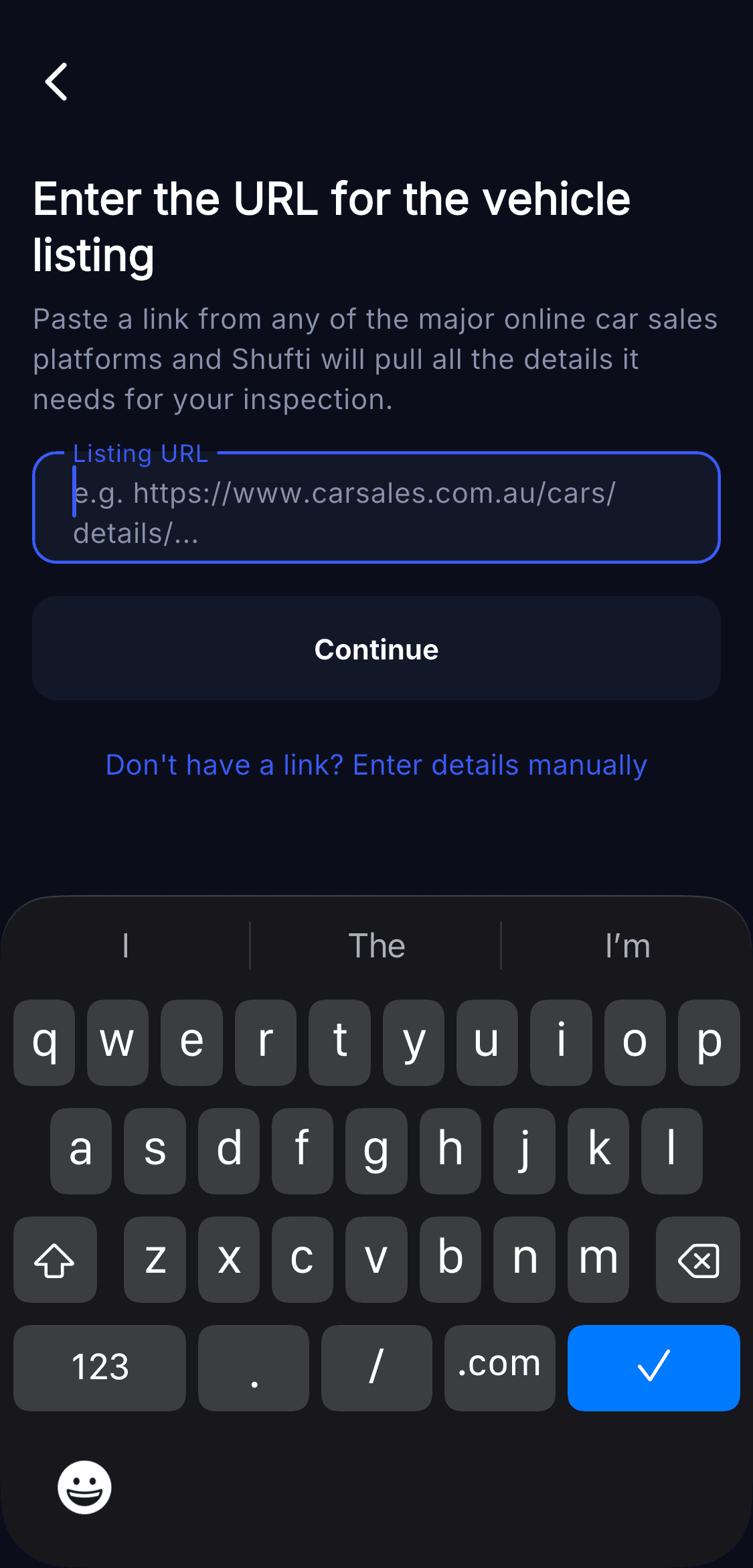
Drop in a link from any major car sales website. Shufti retrieves the important information about your vehicle to guide you through a customised buying process.
Start from the listing
Drop in a link from any major car sales website. Shufti retrieves the important information about your vehicle to guide you through a customised buying process.
* Shufti analysis, October 2026, of official recall notices, complaints lodged by vehicle owners with vehicle safety regulators, and independent reviews and owner forums. Faults are counted when two or more independent sources report them.
Buying a Used Toyota HiAce: Questions Answered
Is a used Toyota HiAce reliable?
It depends more on the particular car than the badge: how it was driven, loaded and serviced. Work through the commonly reported problems above, read the service history for servicing done on time, and run a PPSR check.
Which Toyota HiAce years should I avoid?
No Toyota HiAce year is one to avoid outright. Which problems a particular car has depends on its generation, its engine and how it was used, so judge the one in front of you rather than the year alone, starting with its recalls and reported faults (Shufti looks these up from the listing).
This checklist covers the H200 (2005–2019) and H300 (2019 on) Toyota HiAce. Problems reported across them include a blocked exhaust filter (DPF), worn suspension parts, exhaust fumes in the cabin and worn sliding-door runners.
How many kilometres is too many for a used Toyota HiAce?
Kilometres matter less than how a van has worked. Most have done courier, trade or shuttle work, so high kilometres are normal; one with a full service history can be a better buy than a lower-kilometre one that's been overloaded or missed services. Check the history for regular oil and filter changes, and ask what it carried.
Should I get a pre-purchase inspection on a used Toyota HiAce?
It's worth it if you can. Vans that have carried heavy loads all day can hide worn springs, brakes and gearboxes that a mechanic will find and a short test drive won't. Most buyers don't book one, though, so whatever you decide, check the car thoroughly yourself with this checklist first. See Is a pre-purchase inspection worth it?
How do I check a used Toyota HiAce for money owing or a write-off?
Run a PPSR check with the car's VIN. It shows whether there's finance owing and whether the car has been reported stolen or written off, and costs $2. Run it on the day you pay. See What a PPSR check covers and what it doesn't
Mechanic, Checklist or Shufti?
Here's how Shufti stacks up against your other options.
A mechanic's inspection is the most thorough, but most buyers go without one. Shufti makes sure you're well informed either way.
| Feature | Shufti $24.99 per check | Mechanic Inspection $250–350+ per booking | This Guide Free the basics, on paper |
|---|---|---|---|
Guided, model-specific checks | Yes | Yes | No |
PPSR and government recall checks | Yes | No | No |
Crosschecks over 3 million recalls and owner complaints | Yes | No | No |
Smart detection of issues from your photos and audio | Yes | No | No |
Test drive route planning and navigation | Yes | No | No |
Instant report generation | Yes | No | No |
Negotiation copilot and repair cost estimates | Yes | No | No |
Plain-English explanations, not jargon | Yes | Yes | Yes |
No booking or waiting required | Yes | No | Yes |
See it for yourself. Open the free sample report in the app, no sign-up needed.
Comparing Other Cars?
Looking at a different car? Use the general used car inspection checklist or browse every inspection checklist.